
Dorset is ageing faster than much of the country, and this trend has significant implications for the way local communities and services support older residents.
Recent data from Dorset Council shows that nearly one third of the county’s population is now aged 65 or over, with a median age of 52.3, well above the national average of 40.5. The number of people aged 80 and older has grown by 23 per cent over the past decade and is expected to rise by 38 per cent by 2034.
With this ageing population comes a greater need for flexible and reliable care options. Many older people are living longer and healthier lives. Women aged 65 in Dorset can expect another 22.5 years in good or fairly good health, and men nearly 20 years.
However, age-related disabilities, mobility issues, and chronic health conditions are increasingly common. This means that even those who are otherwise healthy may still require regular support with daily activities or personal care. Live-in care provides a practical solution, yet many people in Dorset are still unaware of, or resistant to, the idea.
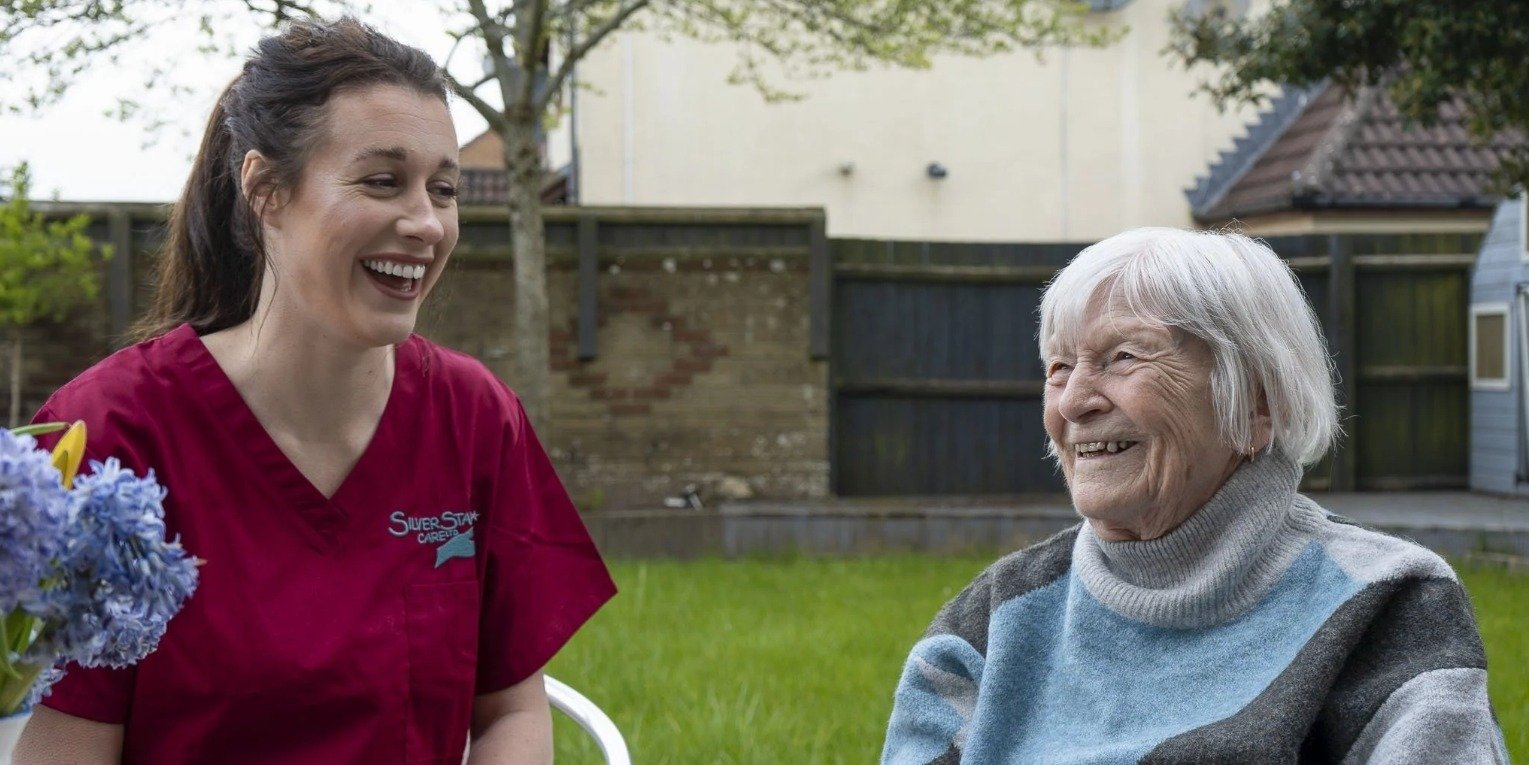
Live-in care enables older adults to remain in their own homes while receiving personalised support at any time, whether for long-term care or short-term support while recovering from surgery or illness. Unlike residential care, live-in care allows people to stay in familiar surroundings with continuity and consistency, which can be important for mental wellbeing and independence.
The need for such care is set to increase. Dorset faces a projected shortfall of 2,800 specialist care bedspaces by 2038. At the same time, the county is seeing a growing strain on informal carers.
Nearly a third of Dorset’s unpaid carers are aged 65 or older, while younger adults are increasingly moving away from the county for work. This combination of factors places additional pressure on families and local services, highlighting the importance of professional care solutions that can provide consistent, safe support.
Live-in care is also adaptable to different needs. For example, it can support people with long-term health conditions, those with dementia, or individuals who are simply experiencing a temporary loss of independence. It can be tailored to the pace, routine, and preferences of the person receiving care, ensuring that dignity and quality of life are maintained.
As Dorset continues to age, it is vital that policymakers, service providers, and communities recognise the importance of flexible, home-based care options. Supporting older residents to remain independent in their own homes not only benefits the individuals themselves but also helps families and the wider community. Ensuring access to live-in care, alongside other forms of support, will be a key factor in meeting the needs of Dorset’s ageing population over the next two decades.
For older adults, their families, and the local community, understanding and planning for the increasing demand for care is essential. Live-in care through SilverStars Care offers a sustainable and person-centred approach that can help meet these challenges while preserving independence, dignity, and quality of life.
ENDS
Media Contact:
Danielle Windecker-Hilton
Sycamore Communications
danielle@sycamorecommunications.co.uk
07704.763.269