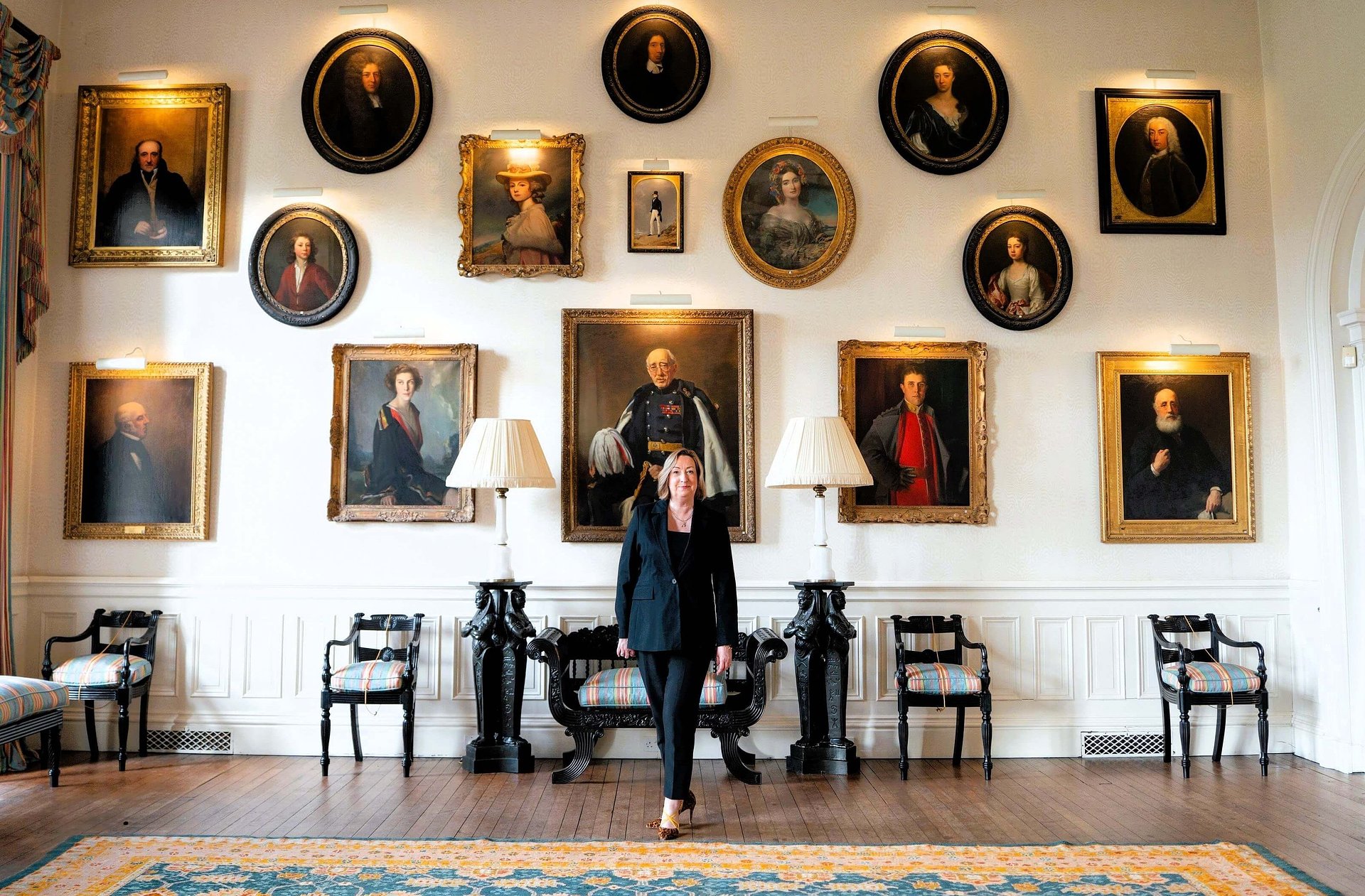
Design Central turns ten this year. After founding it and running it since day one, Cath McCubbin has spent a decade learning things the hard way. Here is what she knows.
1. Curation is harder than collection
The temptation, when you are building an event, is to include as much as possible. More exhibitors, more speakers, more content. Resist it. The decisions you make about what not to include are what shape the character of the show. Design Central has always grown slowly, because growth for its own sake produces something generic. Specificity is harder to achieve, and worth far more.
2. The room tells you everything
In the early years, I spent a lot of time watching what happened when people walked through the door. Who stopped. Who lingered. What conversations started by accident and ran for twenty minutes. The best things that have ever happened at Design Central were things I didn't plan. They happened because the conditions were right. My job as an organiser is to create those conditions and then get out of the way.
3. Regional events are not a consolation prize
This one took the industry as a whole longer to understand than it took the North West. Cheshire and Greater Manchester have long had a design community of national calibre. The difference now is that the rest of the country is beginning to acknowledge it. Design Central did not create that, but I like to think we helped give it a platform.
4. Relationships outlast everything else
Many of the exhibitors who came to the first edition of Design Central are still with us now, and are the backbone of the show. Not because they are loyal out of habit, but because we have built something together. Events are not transactions. The best ones facilitate ongoing relationships, and they require the same care and honesty that any good relationship does.
5. Talks are only as good as the questions they provoke
A good speaker is valuable. A good conversation is rare. Over the years, we have tried to programme Design Central in a way that treats the audience as active participants rather than passive listeners. The business insight strand we are introducing this year, developed with Larsen Architecture, is the clearest expression of that instinct: it exists to start conversations that will continue long after the event is over.
6. Independent means something
Design Central has always been independently organised. That matters more than it might seem. It means decisions are made on the basis of what is right for the show and the community it serves, not just what is commercially convenient. That independence is something I have worked hard to protect, and it is one of the things I am most proud of.
7. The design industry is full of generosity
This surprised me, early on. I expected competition. What I found was an enormous willingness to share, support, and show up for each other. The design community in the North West, and beyond, is one of the most genuinely collegiate professional communities I have encountered. Design Central is, in many ways, a product of that generosity.
8. The industry needs to talk more honestly about business
Beautiful work does not automatically translate into a sustainable practice. Interior designers, architects and makers are often brilliant at what they do and far less confident about the commercial side of doing it. We have been quietly building the programme that addresses that for some time. The new business strand at Design Central 2026 is the first time we have made it explicit.
9. Attention is the most valuable thing in the room
At any event, during any year, the most precious commodity is not the exhibitor space or the catering or the programme. It is the focused attention of the people who have chosen to be there. Design Central works because the people who come are genuinely present. They have made a decision. They are engaged. That is rarer than it sounds, and it is not something you can manufacture. You can only earn it.
10. Ten years is a beginning
I did not know, a decade ago, what Design Central would become. I knew what I wanted it to be, and I knew why the North West needed something like it. The version that exists today is better than anything I imagined then, and it is still not finished. We are ten years in and there is still more to build. That feels exactly right.
Design Central 2026, the tenth anniversary event, takes place this autumn at Capesthorne Hall in Cheshire. Trade passes are available now.
Media Contact
Danielle Windecker-Hilton
Sycamore Communications
07704 763269
danielle@sycamorecommunications.co.uk
ENDS